Heino 2.0 DMA
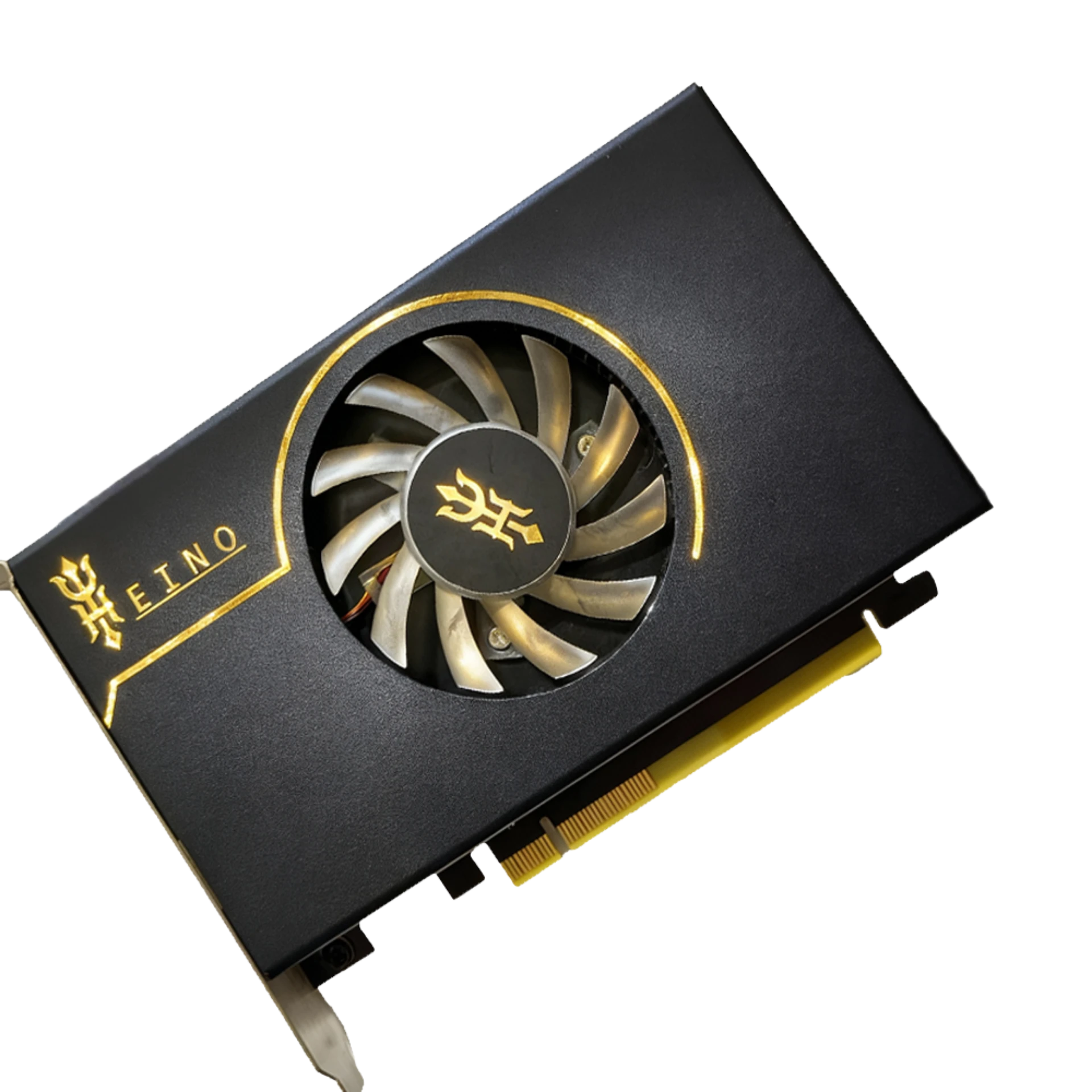
Heino 2.0 — True PCIe MITM DMA Architecture, Redefined
The Heino 2.0 represents a major evolution in DMA hardware design, moving beyond traditional firmware-dependent boards into a true PCIe Man-In-The-Middle (MITM) architecture. Rather than relying on heavy firmware layers or emulated devices, Heino 2.0 operates using real PCIe passthrough, hosting an actual PCIe device for authentic system presence and behaviour.
This design delivers a level of stability, transparency, and longevity that conventional DMA solutions struggle to achieve.
🔧 Real PCIe Device Passthrough (MITM)
Heino 2.0 sits directly inline between the system and a genuine PCIe device, allowing memory access through true hardware interaction instead of synthetic endpoints. This results in:
- Authentic PCIe enumeration
- Natural system behaviour
- Reduced reliance on firmware workarounds
- Long-term resilience against software-side changes
🧠 Firmware-Light by Design
Unlike traditional DMA cards that depend on constant firmware updates, Heino 2.0’s MITM approach significantly reduces firmware dependency. This means:
- Fewer update cycles
- Less breakage over time
- Greater consistency across environments
- A more “future-proof” DMA platform
⚡ High Stability & Clean Operation
By leveraging real PCIe hardware behaviour, Heino 2.0 provides:
- Exceptionally stable DMA reads
- Consistent performance under load
- Clean interaction with modern platforms
This makes it especially attractive for users who prioritise reliability over experimental features.
🔁 Broad DMA Ecosystem Compatibility
Heino 2.0 is designed to integrate cleanly into established DMA workflows and toolchains. Its hardware-centric approach allows compatibility with widely used DMA environments without the fragility commonly associated with firmware-heavy boards.
🧪 Built for Advanced Users & Long-Term Use
This platform is aimed at experienced DMA users, researchers, and developers who want:
- Hardware authenticity
- Reduced maintenance overhead
- A platform that remains viable as systems evolve
Heino 2.0 is not a low quality solution— it is a deliberate architectural shift toward sustainable, hardware-first DMA design.